 how-to
Common Reasons for Towing Delays: What Causes Wait Times
Table of Contents
- Why Towing Delays Happen: A Breakdown by Stage
- How Long Does It Take for a Tow Truck to Arrive
- Vehicle Breakdowns That Slow Response Time
- Environmental and External Factors Affecting Tow Truck ETA
- Weather impact on response times:
- What to Do While Waiting for a Tow Truck
- How to Reduce Fleet Towing Delays
- Getting Accurate Updates and Escalating Delays
- Conclusion
- Frequently Asked Questions
Last Updated: October 12, 2026
Why Towing Delays Happen: A Breakdown by Stage
Towing delays frustrate drivers when they need help most. The causes fall into three stages: dispatch bottlenecks, driver availability, and external conditions.
Dispatch and Call Center Bottlenecks
The first delay often happens before a truck even rolls. Large dispatch centers handle dozens of calls at once, so your call enters a queue. A dispatcher eventually gathers information, verifies coverage, and assigns the job.
This takes 5-10 minutes at busy centers, longer during peak hours. Owner-operated services like Kaygold Towing eliminate this step: you speak directly with the person picking up your vehicle.
Common dispatch bottlenecks include:
- Multiple calls holding in queue during peak times
- Information gaps between dispatcher and driver
- Verification delays for insurance or coverage
- Reassignment if the first truck is unavailable
- Unclear pickup locations passed through multiple people
Driver Availability and Current Load
After dispatch, the next delay depends on driver availability. If the assigned driver is on another call, your tow goes to the queue. A driver handling a 45-minute recovery job can't reach you immediately.
Distance matters too. If the closest driver is 20 minutes away, that's your baseline wait, plus 15-30 minutes of travel time depending on traffic and location.
At Kaygold Towing service, our single-truck operation means you know exactly where we are. If we're available, we're heading your way.
Factors affecting driver availability:
- Number of trucks in the fleet
- Current jobs in progress
- Driver shift schedules
- Geographic coverage area
- Use of subcontractors or independent drivers
Distance, Traffic, and Road Conditions
Once a driver is heading your way, travel time is the final variable. A five-mile drive takes 10 minutes in clear conditions, 20-25 during rush hour, and 30-40 with weather, construction, or closures.
Your location also affects response time. Highway drivers reach you faster than those navigating residential streets. Rural locations mean longer drives, while urban congestion makes short distances deceptively slow.
Travel time variables:
- Distance from service center to your location
- Current traffic patterns
- Weather conditions
- Road construction or closures
- Time of day
How Long Does It Take for a Tow Truck to Arrive
Tow trucks generally aim to arrive within a reasonable timeframe of your call, assuming normal traffic, reasonable distance, and available drivers.
Peak times change everything.
Weather emergencies create unpredictable delays. Heavy snow, ice storms, or flooding can triple response times, and accidents cluster during bad weather, overwhelming available drivers.
At Kaygold Towing service, we provide realistic ETAs based on actual conditions, so you can plan accordingly.
Vehicle Breakdowns That Slow Response Time
Some vehicle problems resolve quickly; others require careful handling that extends your wait.
Dead Batteries and Starting Problems
A dead battery is one of the fastest roadside issues to resolve. A jump start can be a quick roadside solution, and many drivers carry jumper cables or portable jump boxes. Some services offer jump starts without charging for a full tow.
Starting problems beyond a dead battery take longer to diagnose. Alternator, starter motor, or fuel pump failures require towing rather than a jump start, so the driver must assess first.
Dead battery indicators:
- Dashboard lights dim or flicker
- Engine cranks slowly but won't turn over
- Clicking sound when you turn the key
- No electrical response at all
Flat Tires and Tire Blowouts
A flat tire seems straightforward: tow trucks arrive, change the tire or load the vehicle, and leave.
Blowouts complicate things: tire debris scatters, rims may be bent, and the vehicle could be unsafe to drive even with a spare, so a flatbed tow becomes necessary.
Multiple flat tires or undercarriage damage extends recovery time, since the driver must assess safety before moving the vehicle.
Tire-related delays:
- Blowout damage to rims or suspension
- Multiple flat tires
- Spare tire unavailable or damaged
- Vehicle unsafe to drive on spare tire
Engine Overheating and Mechanical Failure
Engine overheating requires the vehicle to cool before towing. A driver must wait for the engine temperature to drop safely, since towing a hot engine risks further damage.
Mechanical failures like broken belts, seized engines, or transmission problems require flatbed towing. A flatbed must be dispatched rather than a standard tow truck, and limited availability creates additional delays.
Engine problem indicators:
- Temperature gauge in the red zone
- Steam from under the hood
- Grinding or knocking sounds
- Loss of power while driving
- Fluid leaks under the vehicle
Accidents and Collisions
Accident recovery is the most time-intensive towing situation. The vehicle may be pinned, severely damaged, or blocking traffic, so police must clear the scene and the vehicle must be carefully extracted.
Accident scenes create secondary delays: congestion builds, multiple vehicles may need towing, and flatbeds are essential. Wait times commonly exceed 60-90 minutes from call to vehicle movement.
Environmental and External Factors Affecting Tow Truck ETA
Weather and traffic create delays beyond the vehicle's mechanical condition. These external factors are often the largest contributors to extended wait times.
Weather Conditions: Rain, Snow, and Ice
Rain reduces visibility and traction, and accidents can increase, creating backups.
Snow and ice multiply delays significantly. Roads can close, visibility drops, and tow trucks move slower on ice.
Winter storms create cascading delays. Multiple vehicles break down or slide off roads, and all available trucks may be deployed.
Extreme weather also affects recovery itself.
Weather impact on response times:
Traffic Congestion and Road Closures
Rush hour traffic slows tow trucks like any other vehicle, since tow trucks are bound by the same roads and delays.
Road closures force longer routes. Construction zones reduce lanes and accidents create backups.
Major accidents or weather events can close highways entirely, forcing tow trucks onto surface roads.
Traffic factors:
- Rush hour (4-7 PM weekdays)
- Accident ahead on primary route
- Construction zone delays
- Highway closures requiring detours
- School zone traffic during morning/afternoon
Peak Demand and High-Volume Periods
Certain times create predictable surges in towing demand. Friday and Saturday nights see more accidents and breakdowns. Holiday weekends overwhelm services.
During peak demand, every available driver is deployed, new calls enter a queue, and wait times stretch from 30 minutes to 2-3 hours. Limited fleets feel this most acutely.
Owner-operated services like Kaygold Towing service manage peak demand differently. One truck means one call at a time. You get a direct answer about wait time. No false promises.
Peak demand periods:
- Friday and Saturday nights
- Holiday weekends
- Winter storm events
- Rush hours (7-9 AM, 4-7 PM)
- First responder callouts that affect traffic
What to Do While Waiting for a Tow Truck
Waiting for a tow creates stress and uncertainty. The right actions protect your safety and help the driver assist you efficiently.
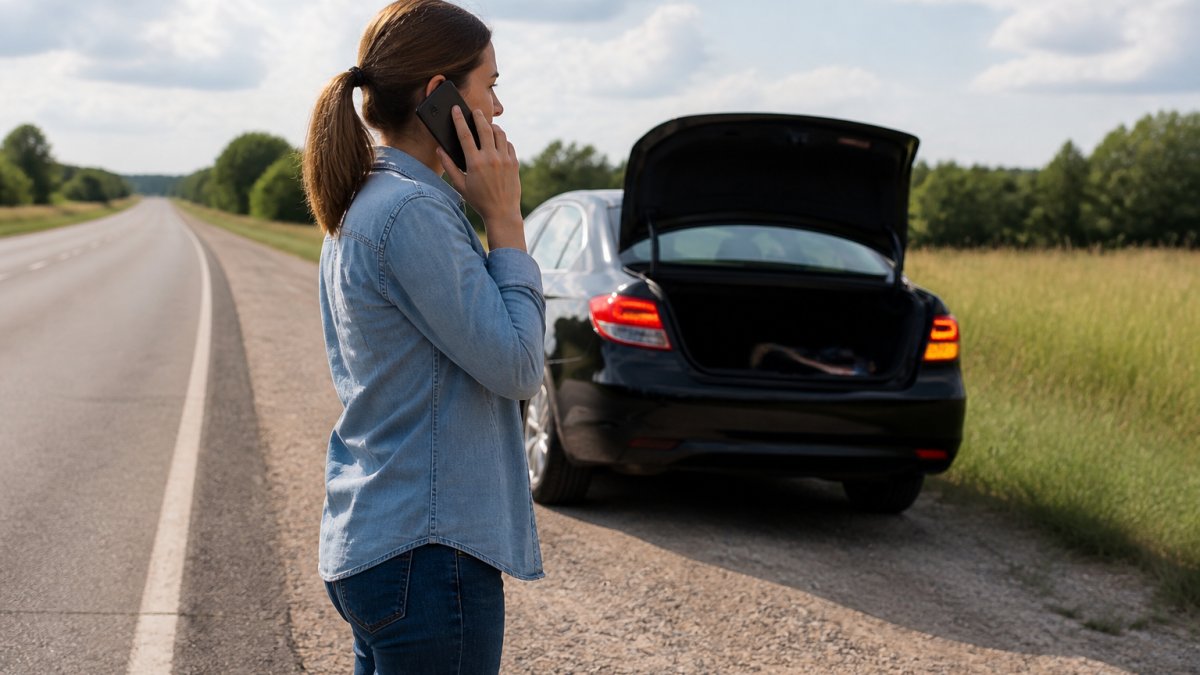
Stay Safe and Visible
Your first priority is personal safety. Turn on hazard lights immediately, then move away from traffic and stand outside the vehicle, away from the roadway.
Wear a reflective vest if you have one, and at night use your phone's flashlight to signal the tow truck driver. Stay alert to traffic around you.
On a busy highway, stand behind a guardrail or in a safe area.
Safety steps while waiting:
- Turn on hazard lights
- Move away from traffic
- Wear reflective clothing if available
- Stay alert to approaching vehicles
- Keep phone charged and accessible
Communicate Your Location Clearly
When you call for a tow, provide specific location information.
Use landmarks: nearby businesses, intersections, or mile markers. On a highway, provide the mile marker number, and share GPS coordinates if you can.
Take a photo of your surroundings and send it to the tow service if they accept photos.
Update the driver if you move, waiting in a nearby business or shifting your vehicle slightly. Drivers arriving to find you gone waste time searching.
Location communication tips:
- Use specific street names and cross streets
- Mention nearby landmarks or businesses
- Provide mile marker numbers on highways
- Share GPS coordinates if possible
- Update driver if you move locations
Document Vehicle Condition
This protects you if damage occurs during towing. You have a baseline to compare against. Insurance companies and tow services appreciate documented evidence.
Note the vehicle's condition in writing: mileage, fuel level, unusual sounds or smells, and any fluid leaks with color and location.
Keep your vehicle keys accessible. The driver needs to enter your vehicle to steer it onto the flatbed. Have your insurance information ready.
Documentation to gather:
- Photos of vehicle from multiple angles
- Photos of surrounding area and landmarks
- Insurance card and policy number
- Vehicle registration
- Contact information for insurance company
How to Reduce Fleet Towing Delays
Small business fleet operators face unique challenges: a single breakdown affects your entire operation.
Preventive maintenance is an effective delay reducer. Regular oil changes, tire rotations, and battery checks can help prevent many breakdowns.
Establish relationships with reliable towing services before emergencies happen.
Equip vehicles with basic emergency supplies.
For critical operations, consider roadside assistance memberships, which can provide support and sometimes cover costs.
At Kaygold Towing service, we work with local fleet operators to provide reliable, predictable service.
Fleet delay reduction strategies:
- Implement preventive maintenance schedule
- Establish relationships with towing services beforehand
- Equip vehicles with emergency supplies
- Train drivers on basic troubleshooting
- Track vehicle maintenance records
- Consider roadside assistance memberships
Getting Accurate Updates and Escalating Delays
When you're waiting for a tow, communication matters.
Ask for a specific ETA when you call.
If the ETA passes without arrival, call back immediately. Ask for an update. Has something changed?
If you're approaching the two-hour mark without resolution, escalate. Ask for a supervisor or manager. Explain the situation.
Some towing services use digital dispatch systems that send text updates.
Owner-operated services can simplify communication. You're talking to the person handling your tow. No middleman. Direct accountability.
Communication best practices:
- Request specific ETA, not vague timeframes
- Ask for callback 10-15 minutes before arrival
- Follow up if ETA passes without arrival
- Escalate if wait exceeds two hours
- Verify digital updates reflect actual location
- Confirm driver has your contact information
Conclusion
Towing delays stem from dispatch bottlenecks, driver availability, distance and traffic, vehicle condition, and weather. You can't control all factors, but you can control your preparation and communication.
When you need a tow, choose a service that eliminates unnecessary delays. Kaygold Towing service eliminates the dispatch center layer entirely. You speak directly with the driver who will assist you. We provide honest ETAs based on actual conditions. Our fully equipped flatbed handles low-clearance vehicles, accident recovery, and winch-outs safely.
Frequently Asked Questions
What are the most common reasons for towing delays?
Towing delays stem from three main stages: dispatch bottlenecks (call centers handling multiple requests), driver availability (if the truck is already on another call), and route factors (traffic, weather, road closures, distance). Vehicle condition also matters, a vehicle requiring specialized equipment like a flatbed or winch adds time. High-demand periods compound these issues. Owner-operated services often provide faster response because the dispatcher is the driver, eliminating handoff delays.
How long should it take for a tow truck to arrive?
Response time depends on several factors: distance from the nearest available truck, current traffic conditions, weather, and whether the truck is already dispatched. In moderate conditions within 10-15 miles, expect 30-60 minutes. Longer distances, bad weather, heavy traffic, or peak demand periods can extend this to 90 minutes or more. Direct communication with the driver, not a dispatch center, gives you a realistic ETA rather than a generic estimate.
What should I do while waiting for my tow truck?
First, move to a safe location away from traffic if possible, and turn on your hazard lights. Stay inside your vehicle with doors locked if you're on a highway. Provide the dispatcher with a clear landmark or description of your exact location, not just an address. Document your vehicle's condition with photos in case of insurance claims. Keep your phone charged and stay in communication with the driver. If the wait extends significantly beyond the estimated time, call back for an update rather than assuming the truck is lost.
How can I reduce wait times for my fleet's towing needs?
Partner with a reliable local provider who knows your service area and can prioritize your fleet. Establish a direct relationship rather than going through a large dispatch center, this cuts communication delays. Schedule preventive maintenance to reduce breakdowns. For urgent situations, provide your driver with the exact location, vehicle details, and any access restrictions upfront. Consider a service agreement with a local operator who can respond faster to repeat customers and knows your vehicle types and common issues.